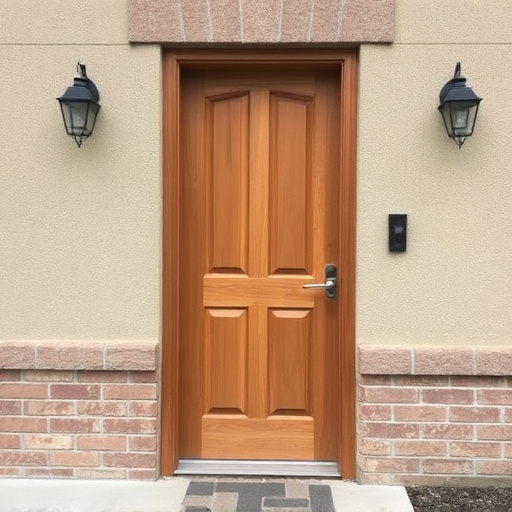
In areas prone to extreme weather, such as those from hurricane impact, safeguarding homes and businesses against high-speed winds and flying debris is paramount. This is where impact door installation comes into play, a critical aspect of building resilience and safety. The challenge lies in ensuring these doors not only withstand extreme forces but also meet local building codes and insurance requirements. This article examines the comprehensive process of impact door installation, exploring the expertise required, client services available, and community-level benefits, all with a focus on enhancing structural integrity and peace of mind.
Understanding Hurricane-Resistant Doors
When considering impact door installation in Fort Lauderdale, understanding the specific needs for hurricane-resistant doors is crucial. The city's frequent exposure to severe weather conditions necessitates doors that can withstand high winds, flying debris, and pressure changes. Unlike standard window installation, these doors must meet stringent local building codes designed to protect homes and residents during storms. The Local Building Codes Department requires doors to be impact-rated, typically using tests like the Miami-Dade County Testing Lab's standards.
In Fort Lauderdale, where hurricanes are a regular occurrence, impact door installation should be approached with care. Common problems to avoid include improper fitting, weak materials, and inadequate sealing. Using subpar materials or failing to seal the door properly can leave homes vulnerable to water damage and structural issues. They might recommend impact-resistant doors with polycarbonate or acrylic panels, known for their clarity and strength.
Window installation often goes hand-in-hand with impact door installation. Ensuring that both windows and doors meet hurricane-resistant standards is vital for comprehensive protection. Homeowners should consider the integration of these features when upgrading their homes. The National Doorexpert Association (NDA) recommends regular inspections and maintenance to keep doors and windows in optimal condition. Understanding the specific requirements of your homeowners association (HOA) is essential, as they may have additional guidelines for impact door installation.
The Step-by-Step Impact Door Installation Process
When considering impact door installation, especially in South Florida's climate, homeowners often ask, "Is it worth the investment?" The short answer is a resounding yes. Properly installed impact doors provide an unprecedented level of protection against hurricane-force winds, giving homeowners peace of mind and significant structural reinforcement.
The impact door installation process is a multi-step endeavor requiring careful preparation and meticulous execution. It begins with a thorough assessment of the existing structure and selection of a door that aligns with the building's specifications and the homeowner's aesthetic preferences. Next, the old door is removed, followed by the installation of a new, reinforced impact door. This involves securing the door frame, attaching the door to the frame using high-strength hardware, and conducting a thorough inspection to ensure proper sealing and alignment. The final step involves testing the door's performance against wind load simulations.
Local building codes, like those in Fort Lauderdale, dictate specific requirements for impact door installation, ensuring structures meet safety standards. Homeowners should consult with a licensed contractor familiar with these codes and experienced in handling the unique challenges of South Florida's weather conditions. Remember, a well-installed impact door isn't just about protection; it's about safeguarding your home and family against the forces of nature.
Ensuring Longevity: Post-Installation Maintenance
After a hurricane, homeowners in South Florida often turn to impact door installation as a crucial step in fortifying their properties. While the initial installation is a significant task, ensuring the longevity of these doors requires ongoing maintenance. This is where many homeowners make the mistake of overlooking a vital aspect of their hurricane window or impact door system: post-installation care.
Regular maintenance is essential to keeping your impact doors in top condition, especially in a climate as challenging as South Florida's. The goal is to protect against potential vulnerabilities, such as loose panels, broken seals, or corroded hardware, which can compromise the integrity of your doors. A simple yet effective routine involves inspecting the doors for any signs of damage or wear, cleaning the tracks and hinges, and lubricating any moving parts. ProMaster Contractors, a local expert in impact door installation, recommends a bi-annual maintenance check to ensure the doors operate smoothly and efficiently.
Over time, extreme weather conditions can take a toll on even the best-installed impact doors. To prolong their lifespan, homeowners should be aware of the specific maintenance requirements of their door models. Some doors may require more frequent cleaning and lubrication, especially if they have intricate hardware or unique sealing mechanisms. Keeping an eye on local building codes and guidelines, as outlined by the Local Building Codes Department, is crucial. These codes often provide essential advice on maintenance and repair, ensuring your doors meet the required safety standards.
Frequently Asked Questions About Impact Door Installation
What are impact doors, and why are they important in hurricane-prone areas? Impact doors are designed to withstand extreme forces, offering superior protection against high-speed winds, flying debris, and pressure differentials during hurricanes. They are crucial for homes and businesses in hurricane-impacted regions, providing a vital line of defense against severe weather, ensuring the safety of occupants and protecting valuable assets.
How do I know if my property needs impact-rated doors? Properties in areas regularly affected by hurricanes or severe storms often require impact-rated doors. Consult local building codes and regulations, as well as your insurance provider. They can guide you based on your specific location and the potential risks, helping you make an informed decision to protect your property.
What materials are commonly used for impact door construction? Impact doors are typically constructed from high-strength materials like reinforced aluminum, acrylic, or polycarbonate. These materials offer excellent impact resistance and can withstand the harsh conditions associated with hurricanes. Some doors also incorporate steel frames for added structural integrity.
How long does the installation process for impact doors typically take? Most impact door installations can be completed within one to two days, depending on the door size, complexity of the opening, and any additional features. Professional contractors will ensure a precise fit and proper sealing, adhering to local building codes and manufacturer guidelines.
What should I consider when choosing an impact door contractor? When selecting a contractor, check their licensing, insurance, and experience with impact door installations. Reviews from previous clients can also provide valuable insights into their professionalism and work quality. Ensure they follow industry best practices and use high-quality products to guarantee a secure and efficient installation.
Can impact doors be customized to match my home's style? Absolutely. Impact doors are available in various styles, colors, and finishes to complement different architectural designs. From traditional to modern aesthetics, you can find options that enhance both the functionality and curb appeal of your home. Customization ensures your property remains secure while aligning with your aesthetic preferences.
Are impact doors energy-efficient, and do they affect my utility bills? Impact doors can be designed with energy-efficient features, including insulation and low-e coatings, to minimize heat transfer and reduce energy loss. While they may slightly increase the initial cost of installation, the long-term savings on energy bills can be significant, especially in extreme climates.
Impact door installation is a crucial step in preparing homes in from hurricane impact for extreme weather events. By understanding the specific requirements for hurricane-resistant doors and following a meticulous installation process, homeowners can significantly enhance their property's structural integrity and safety. The step-by-step guide outlined in this article provides a solid framework for professionals and DIY enthusiasts alike. Post-installation maintenance, as emphasized, is vital to ensure longevity and optimal performance.
Key takeaways include the importance of adhering to local building codes and seeking expert advice from associations like the National Doorexpert Association (NDA).
Moving forward, community efforts to encourage impact door installation, supported by local environmental agencies and community development funds, can collectively contribute to more resilient and safer neighborhoods. By integrating these practices, residents can protect their investments and mitigate the devastating impacts of hurricanes.