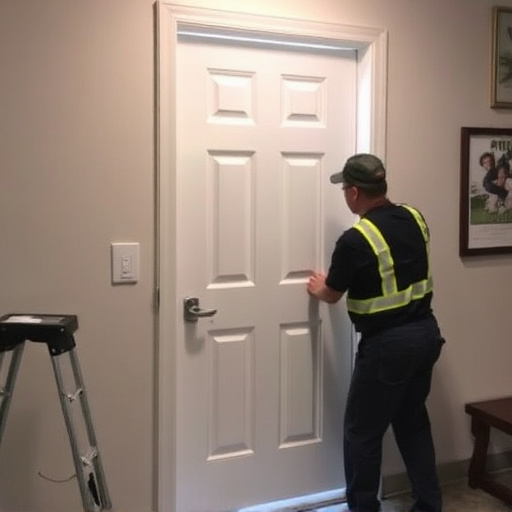
In regions prone to extreme weather, like our area from hurricane impact, securing homes against the elements is paramount. Here, impact door installation emerges as a critical line of defense, offering both strength and protection. The challenge lies in ensuring these doors meet stringent building codes while providing an efficient, cost-effective solution.
Evaluating Your Home for Impact Door Suitability
When evaluating your home for impact door suitability, understanding both the structural integrity of your home and the specific weather conditions in your area is paramount. The first step is to consult local building codes and the National Doorexpert Association (NDA) for guidelines specific to your region, from hurricane impact. These resources will provide insights into the types of doors recommended for high-wind zones and the minimum criteria for their installation.
In areas prone to severe weather, a reinforced steel or aluminum door may be the best front door to protect your home. While the initial cost can be higher than standard doors-typically ranging from $1,000 to $3,000, depending on materials and size-the investment offers significant peace of mind. Impact doors are designed to withstand high-speed winds, extreme pressure, and debris impact, providing a crucial barrier against damage during severe weather events.
The decision to install an impact door is a significant one, and the cost should be considered in the context of potential savings over time. According to the Insurance Regulatory Body, properly installed impact doors can contribute to reduced insurance claims, as they significantly minimize damage to homes during hurricanes and other severe storms. Many local Homeowners Associations (HOAs) offer incentives or require impact-resistant doors for homes in designated high-risk areas, further underscoring their importance.
Engaging with reputable professionals is key to ensuring your investment is protected by the best possible impact door, enhancing your home's resilience against the forces of nature.
Choosing the Right Impact Door: Materials & Styles
When considering impact door installation in from hurricane impact, Fort Lauderdale residents often ask, "Is an impact door worth the investment?" The answer lies in understanding the materials and styles available. Unlike standard doors, impact doors are designed to withstand extreme conditions, offering enhanced security and protection against powerful winds and debris. Key material considerations include the door's core and glass.
A polycarbonate or aluminum core provides exceptional rigidity and resistance, while tempered or laminated glass offers superior break resistance. Combinations of these materials, such as a steel core with impact-resistant glass, can deliver optimal strength and clarity. Styles vary from traditional wood-look doors to modern, minimalist designs, ensuring aesthetic appeal and functional integrity. The National Doorexpert Association (NDA) recommends evaluating your home's architecture and personal preferences to choose a style that complements your space.
Local Building Codes Department regulations and insurance requirements play a crucial role in selecting the right impact door. Some policies may mandate specific impact ratings or materials, while building codes dictate installation standards.
The decision to invest in impact door installation in from hurricane impact should be guided by a combination of practical needs, aesthetic preferences, and regulatory requirements. By carefully evaluating materials and styles, and consulting with professionals like those at Local Handyman Services, homeowners can make informed choices that enhance their home's security, resilience, and value.
Step-by-Step Guide to Safe Impact Door Installation
Impact door installation is a specialized process designed to fortify homes against extreme weather events, particularly hurricanes. To ensure safety and effectiveness, homeowners should follow a meticulous approach. The first step is understanding local building codes, which often dictate specific requirements for impact-resistant doors and windows. Glass, a common choice for impact doors, must meet stringent standards to withstand high-speed debris and pressure differences.
The installation process begins with meticulous preparation. This includes securing proper permits from the Local Building Codes Department and ensuring compliance with the National Doorexpert Association (NDA) guidelines. During the selection process, review customer testimonials and ratings on reputable websites to gauge a contractor's reliability and expertise.
On-site, the contractor will assess the existing door opening, ensuring it meets the necessary dimensions for the impact door. They will then remove the old door, carefully measuring and preparing the opening for the new, more robust door. Installation involves advanced techniques, including the use of specialized hardware and weatherproofing materials to create a seamless, secure fit. Proper sealing is crucial to prevent water and air infiltration, a key consideration for maintaining energy efficiency. Local Environmental Agency guidelines and the Energy Star Program often offer recommendations for improving a home's overall storm preparedness and energy conservation.
Finally, post-installation, homeowners should conduct regular inspections to ensure the door's integrity. Look for signs of wear, corrosion, or damage that could compromise its impact resistance. Regular maintenance, as per the manufacturer's guidelines, is essential to keep the door performing optimally. By adhering to these steps, homeowners can significantly enhance their home's resilience against extreme weather events, contributing to the overall safety and peace of mind.
Frequently Asked Questions About Impact Door Installation
What is an impact door, and why is it important in hurricane-prone areas? Impact doors are reinforced entryways designed to withstand extreme weather conditions, particularly high winds and flying debris during hurricanes. They provide an essential layer of protection for homes and businesses, offering a higher level of security and safety compared to standard doors. These doors are built to meet or exceed specific impact resistance standards, ensuring they can protect against potential damage.
How do I know if my property needs impact-resistant doors? Properties located in hurricane- or storm-prone regions are prime candidates for impact-resistant doors. If your area has experienced past storms with high winds and debris, it's crucial to consider these doors for enhanced protection. Local building codes and guidelines can also provide indicators; many regions with frequent severe weather have specific requirements for impact resistance in new constructions and renovations.
What materials are commonly used for impact door installation? Impact doors are typically made from high-performance materials like polycarbonate, acrylic, or tempered glass, often combined with reinforced frames. These materials offer exceptional impact resistance, clarity (in the case of glass), and insulation properties. The exact composition can vary based on design, aesthetic preferences, and local climate considerations.
How long does the installation process typically take? Most impact door installations can be completed within one to two days, depending on the door size, complexity of the opening, and local building codes. This quick turnaround is one of the significant advantages of impact door systems, ensuring swift protection against impending storms.
Can impact doors be installed on existing structures? Absolutely. Impact door installation is not limited to new constructions. These doors can be fitted to existing structures, providing an immediate upgrade in storm protection. The process may require careful measurement, customization, and professional installation to ensure a secure fit.
Are there any maintenance requirements for impact doors? While impact doors are designed for durability, they still require periodic cleaning and inspection. Regular care includes wiping down the surface and checking for any signs of damage or wear. Minor repairs, such as replacing sealed panels, may be necessary over time, but major issues are rare due to their robust construction.
After evaluating your home's suitability, selecting the right impact door material and style, and following the step-by-step installation guide, you're now armed with the knowledge to protect your property from extreme weather events. The process involves a blend of legal compliance, professional services, and community-backed initiatives. By taking these practical steps, you're not just installing a door; you're enhancing your home's resilience, ensuring peace of mind, and contributing to a more sustainable community. This comprehensive approach to impact door installation is your key to safeguarding against the unpredictable, reinforcing the value of your property, and promoting environmental stewardship.