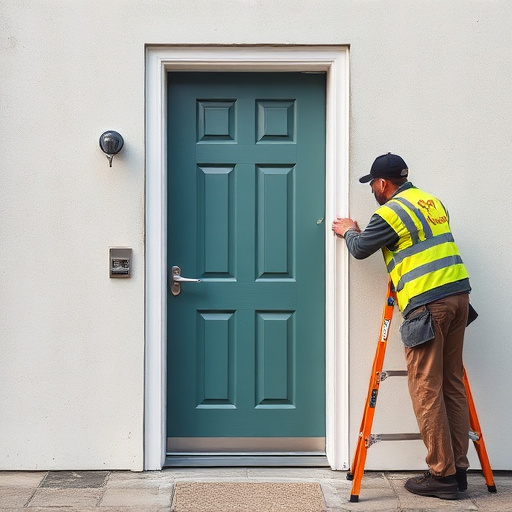
In regions prone to extreme weather, like our area from hurricane impact, safeguarding homes and businesses against environmental threats is paramount. This is where impact door installation steps in as a critical line of defense.
Traditional doors often fail under intense conditions, leading to property damage and safety risks. The need for robust, high-performance doors that can withstand these challenges is acute. Impact door installation offers a solution, providing enhanced security and peace of mind while reducing the potential for catastrophic losses.
Assessing Your Home for Impact Door Installation
When considering impact door installation, especially in areas prone to severe weather like hurricanes, assessing your home's suitability is a crucial first step. This involves a detailed examination of your property's structure, current windows, and local building codes. The goal is to ensure the new impact doors enhance security without compromising your home's integrity.
In Florida, for instance, the 25% rule for windows applies to impact-resistant openings, dictating a minimum level of protection. This rule is in line with the state's Building Code, which mandates that windows and doors withstand 140 mph winds, a critical factor in hurricane-prone areas. Before installation, contractors should check if your existing windows meet these standards. If not, replacing them with hurricane windows, a key component in impact door installation, becomes essential.
For homeowners, understanding the process and regulations is vital. Consulting with a local handyman service or checking with your Homeowners Association (HOA) can provide insights into permitted window materials and designs. Reviewing local building codes with the Local Building Codes Department and the Insurance Regulatory Body can offer peace of mind, ensuring your home is protected to the highest standards. This proactive approach can significantly improve your property's resilience against severe weather events, a significant factor in impact door installation.
Choosing the Right Impact-Resistant Door Material
Choosing the right impact-resistant door material is a critical step in preparing your home for extreme weather events, especially in regions like "from hurricane impact" where such events are frequent. The 25% rule for windows in Florida, for instance, underscores the need for robust protection. When considering materials, homeowners should look beyond aesthetics and prioritize strength and durability.
Aluminum and fiberglass doors are popular choices for impact door installation due to their light weight and excellent impact resistance. Aluminum, in particular, is known for its strength-to-weight ratio, making it a top pick for coastal areas prone to severe weather. However, it's essential to ensure the doors are properly reinforced and meet the required industry standards, such as those set by the National Doorexpert Association (NDA). Fiberglass, though heavier, offers excellent impact resistance and insulation properties, making it a viable alternative for those seeking all-around protection.
Wood doors, while aesthetically pleasing, are generally not recommended for impact door installation in "from hurricane impact" regions. They can warp or rot under extreme conditions, compromising structural integrity. As a rule of thumb, professionals like ProMaster Contractors recommend investing in high-quality, impact-rated materials that can withstand high winds and flying debris. Remember, the time it takes for a professional to install a storm door varies, but most installations can be completed within one to two days, according to industry standards. This swift turnaround is crucial when preparing for an impending storm.
Local building codes and homeowner associations (HOAs) also play a significant role in impact door installation. The Local Building Codes Department and Insurance Regulatory Body should be consulted to ensure compliance with regional regulations and to understand the incentives or requirements for installing impact-resistant doors.
Step-by-Step Guide to Impact Door Installation
When considering impact door installation, understanding the process is key. First, you need to identify impact-rated doors by checking their labels or consulting with a manufacturer. These doors are designed to withstand extreme conditions, such as high winds and flying debris, common during hurricanes. Once you've determined the suitability, preparation is crucial. Remove any existing doors and ensure the opening is properly framed and weatherproofed, factoring in local building codes and weather conditions. The latter is vital, as doors must be secure against potential storm-related damage.
Next, the installation itself requires skill and precision. Professional services, like those offered by ProMaster Contractors or local handyman groups, are recommended. They'll ensure the door is correctly aligned and sealed, using appropriate hardware and weatherstripping. A qualified technician might use a combination of screws and hinges designed to resist impact, along with specialized sealing materials. This step-by-step approach guarantees a secure fit, enhancing your home's protection.
Post-installation, regular maintenance is essential. Check for any signs of wear or damage, especially after severe weather events. Online platforms, like Customer Review Websites, can offer insights into reliable installation services and the best maintenance practices. Understanding local regulations, as guided by the Local Building Codes Department and Insurance Regulatory Body, ensures compliance and could impact your home insurance coverage in the event of a storm.
Frequently Asked Questions About Impact Door Installation
What are impact doors, and why are they important in hurricane-prone areas?
Impact doors are designed to withstand extreme weather conditions, particularly high winds and flying debris, common during hurricanes. These doors are constructed with reinforced materials like aluminum or steel, ensuring they don't break or crack under pressure. Their primary purpose is to protect against structural damage and provide a safe haven during severe storms, making them a crucial addition to homes and businesses in hurricane-impact zones.
How do I know if I need an impact door?
The decision to install impact doors is based on the specific risks associated with your location. Living or operating in areas frequently affected by hurricanes, tornadoes, or other severe weather events necessitates impact doors. Local building codes and regulations can also play a role, with some regions mandating their use in high-risk zones. Consulting with a professional contractor who specializes in impact door installation can provide valuable insights tailored to your region.
What factors influence the cost of impact door installation?
Several factors contribute to the overall cost. The size and style of the door are primary considerations, as larger or custom designs can be more expensive. Material choices, such as aluminum or steel, also impact pricing. Labor costs vary based on the complexity of the installation and the contractor's rates. Permits and any necessary structural reinforcements should be factored in, making it essential to discuss these aspects with a professional for accurate cost estimates.
How long does the installation process typically take?
Most impact door installations can be completed within one to two days, depending on the door's complexity and the size of the opening. This relatively quick turnaround is possible due to the efficient processes of experienced contractors. They will remove the old door, prepare the opening, install the new impact door, and perform any necessary testing, ensuring a secure and functioning door system.
Are there specific maintenance requirements for impact doors?
Regular cleaning and inspection are essential to maintain impact doors' performance. As with any door, keeping them free from debris and dirt is crucial. Using soft cloths and non-abrasive cleaners helps preserve the door's finish. Checking for loose screws or hinges and ensuring proper sealing can prevent water damage and maintain energy efficiency. Most manufacturers provide care guidelines, ensuring these doors require minimal maintenance.
Can impact doors be installed as a do-it-yourself project?
While some homeowners may be inclined to tackle the project themselves, impact door installation is best left to licensed professionals. These doors require specific skills and knowledge to ensure they meet safety standards and provide the necessary protection. The precision and expertise involved in the installation process make it a specialized task, one that requires the expertise of experienced contractors.
After considering the intricacies of door installation in hurricane-prone areas, it's clear that Impact Door Installation is not just a service but a critical measure for home safety and resilience. By assessing your home's suitability, selecting robust materials, and following a meticulous installation process, you can fortify your abode against extreme weather. This practical guide offers a solid foundation for property owners to make informed decisions, ensuring their homes meet the stringent requirements for impact-resistant doors.
The key takeaways? First, a thorough evaluation of your home's structure and local building codes is paramount. Second, choosing the appropriate door material, such as steel or impact-rated wood, is essential to withstand the forces of nature.
Next steps include reaching out to local experts, reviewing building codes, and selecting materials based on your home's needs. Engaging with the National Doorexpert Association (NDA) and local Handyman Services can provide valuable insights.