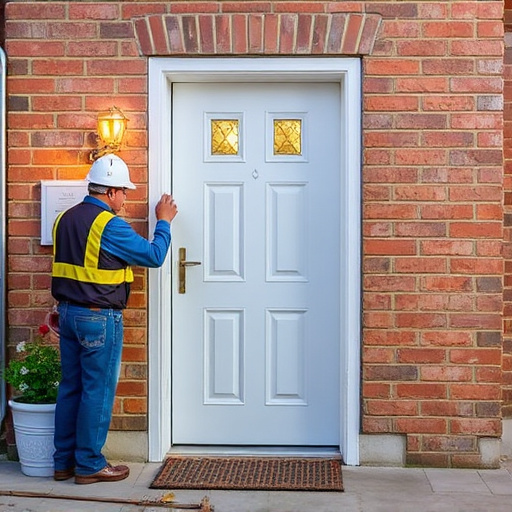
The demand for robust, high-performance doors has surged, driven by the increasing frequency and intensity of natural disasters, particularly in areas from hurricane impact. Traditional doors are often insufficient to withstand these events, leading to significant property damage and safety risks. Here, we explore the critical need for impact door installation as a vital solution for enhancing residential and commercial structures against extreme weather conditions. By examining the challenges posed by these disasters, this article will guide readers through the essential steps and considerations for successful impact door implementation, underscoring the expertise required to navigate legal, service, and community aspects of this crucial construction process.
Assessing Your Home for Impact-Resistant Doors
When preparing your home for hurricane season, assessing your doors for impact resistance is a crucial step. Impact door installation is a specialized process designed to protect against extreme weather conditions. To ensure your home is adequately fortified, you must understand how to identify and choose the right impact-resistant doors.
One of the first questions to consider is: What problems should you avoid with Impact Door Installation in Fort Lauderdale? The local environment matters in the type of doors you select. Salt air and frequent storms can accelerate corrosion and damage. A qualified contractor, like those from ProMaster Contractors, will assess your specific needs and recommend doors that meet or exceed local building codes, as enforced by the Local Building Codes Department. This includes understanding the specific impact ratings required by your region.
To tell if a door is impact-rated, look for certifications from recognized authorities like the National Doorexpert Association (NDA). These certifications ensure the door has undergone rigorous testing to withstand high-wind conditions and debris impact. Consider the door's construction materials and design. Features such as steel reinforcements, impact-resistant glass, and multiple locking points are indicators of a door built to withstand the rigors of hurricane season. By prioritizing these aspects, you can ensure your home is better protected, enhancing both its safety and resilience.
Choosing the Right Impact Door for Your Region
When choosing an impact door for your home, particularly in regions prone to hurricanes, understanding the local environment is crucial. The best front door to protect your home is one specifically designed to withstand the extreme conditions unique to your area. Homeowners should look for doors rated to handle high-wind speeds and impact forces, such as those found in hurricane-impact zones.
To tell if a door is impact-rated, examine its label and certifications. Reputable manufacturers will clearly mark their products with impact ratings and compliance with local building codes. The National Doorexpert Association (NDA) provides certification for doors meeting specific impact resistance standards. Local Building Codes Departments and Insurance Regulatory Bodies often have guidelines and requirements for impact door installation, ensuring compliance with safety standards.
They can guide homeowners through the selection process and ensure proper installation, which is crucial for the door's effectiveness. High-quality impact doors, installed correctly, can significantly improve a home's resistance to severe weather. They often feature robust materials like reinforced steel or aluminum, along with advanced design features that meet or exceed local environmental challenges.
Consider the region's environmental impact. Homeowners can explore impact doors with eco-friendly features, ensuring both safety and environmental responsibility. Local environmental agencies and community development funds may offer incentives or grants for adopting impact-resistant doors, further enhancing their value. By integrating the right impact door, homeowners can protect their properties, contribute to community resilience, and potentially lower insurance costs.
Installing Impact Doors: Step-by-Step Guide & Best Practices
Installing impact doors is a crucial step in preparing homes for severe weather, particularly in regions prone to hurricanes. Here's a step-by-step guide for homeowners and a best-practices overview from expert contractors.
Step 1: Assess Your Home's Needs
Before installation, thoroughly assess your home's specific needs. Consider factors like existing door frames, local climate, and potential wind speeds. In from hurricane impact areas, this may involve checking local building codes and consulting with a professional to ensure compliance with the 25% rule for window and door openings, which dictates minimum reinforcement to withstand high winds. Many Florida homes require impact-resistant doors and windows to protect against severe weather.
Step 2: Choose the Right Door and Installation Services
Select high-quality impact doors designed for your region's challenges. Reputable manufacturers offer various styles, from sliding to swinging options, each tested for durability and impact resistance. Once chosen, engage professional installation services. When speaking with potential contractors, ask about their experience with impact door installations and their understanding of local regulations.
Step 3: Installation Process
Professional installation typically takes one to two days, depending on door complexity and the home's existing structure. The process involves removing the old door, preparing the frame, and installing the new impact door. Contractors use specialized hardware and follow strict protocols to guarantee a secure fit. This includes properly sealing the door to prevent water intrusion and ensuring the door can withstand intense wind pressure.
Step 4: Post-Installation Maintenance
Regular maintenance ensures your impact door remains effective. Check for signs of wear, such as loose hinges or warped frames, and address them promptly. Keep the door's surface clean to maintain its impact resistance coating. Staying informed about local building code updates and industry best practices ensures your home remains protected against evolving storm threats. Engaging with local organizations like the National Doorexpert Association (NDA) can provide valuable insights and resources for homeowners.
Frequently Asked Questions About Impact Door Installation
What are impact doors, and why are they important in hurricane-prone areas?
Impact doors are designed to withstand extreme weather conditions, particularly high-speed winds and flying debris. They are crucial for homes and businesses in hurricane-prone regions as they provide a strong barrier against potential damage. These doors are made with reinforced materials, such as steel or aluminum, and are tested to meet specific impact resistance standards, ensuring they can protect against debris and reduce the risk of structural failure during a storm.
How do I know if my property needs impact-resistant doors?
The need for impact-resistant doors largely depends on your location and the severity of local hurricanes. In areas frequently affected by strong storms, it's advisable to consult local building codes and regulations. If you live in a hurricane-prone zone, an assessment by a certified contractor can help determine the best course of action, often including the installation of impact doors.
What are the different types of impact doors available?
Impact doors come in various styles to suit different architectural needs. The most common types include sliding doors, French doors, and swinging doors. Each style offers unique benefits in terms of aesthetics, functionality, and impact resistance. Sliding doors, for instance, provide a seamless opening and are often easier to install, while French doors offer a traditional look with enhanced security.
How long does the impact door installation process typically take?
Most impact door installations can be completed within one to two days. This timeframe includes measuring, ordering the appropriate door, and professional installation. The process involves precise measurements to ensure the door fits perfectly, followed by secure attachment to the building's structure, making it as strong as possible against potential impact.
Are there any specific safety features to consider with impact doors?
Impact doors are designed with safety in mind. Many models include deadbolt locks, reinforced hinges, and impact-rated glass to provide additional security. Some advanced systems offer smart features, such as remote control and monitoring, allowing homeowners to secure their properties even when they're away. It's essential to choose a door with the right safety features to match your needs.
Can impact doors be installed in existing structures?
Absolutely. Impact door installation is not limited to new construction. A qualified contractor can install these doors in existing homes and buildings, providing an added layer of protection. The process may involve some modifications to ensure the door fits properly and securely, but it is achievable without major structural renovations.
After assessing your home, selecting the right door, and understanding the installation process, you're now equipped to tackle impact door installation with confidence. This article has provided a practical guide, highlighting the importance of local building codes, industry standards, and expert advice from organizations like the National Doorexpert Association (NDA). By following best practices and engaging reputable contractors, you can enhance your home's safety and resilience, especially in areas prone to severe weather.
The step-by-step approach ensures a solid, secure fit, and the integration of energy-efficient features can even contribute to long-term cost savings.
Finally, by supporting local green building initiatives and community development funds, you can further promote resilient construction practices in your area, benefiting both your home and the environment.