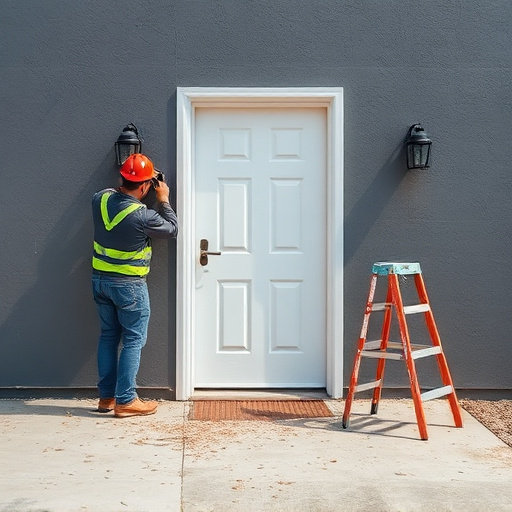
Impact door installation has emerged as a critical component of hurricane-resistant construction, providing essential protection for homes and businesses. As severe weather events become more frequent and intense, the need for robust, well-installed doors has grown. However, the process can be complex, involving various legal considerations, local building codes, and insurance requirements. Homeowners and contractors alike face challenges ensuring compliance and choosing the right products.
Understanding Impact Doors: Materials and Design
Impact door installation involves more than just selecting a sturdy material; it requires understanding the unique challenges of your region, especially when safeguarding against extreme weather events. In regions like from hurricane impact, where wind speeds can reach catastrophic levels, the choice of materials and design plays a critical role in ensuring structural integrity and safety.
The most common materials for impact door installation include aluminum, acrylic, and polycarbonate. Each offers distinct advantages. Aluminum is known for its exceptional strength-to-weight ratio, making it a top choice for areas prone to storms. However, it can be more prone to scratches and dents compared to other options. Acrylic doors, while offering excellent impact resistance, are less common due to their cost and potential for shattering if not properly reinforced. Polycarbonate, a lightweight yet incredibly strong material, is gaining popularity for its ability to withstand high-impact events and provide excellent visibility.
When designing impact doors, adhering to local building codes is paramount. In Florida, for example, the 25% rule dictates the minimum percentage of a door's surface area that must be impact-resistant glass. Ensuring compliance with these regulations is crucial for passing inspections and securing permits, which are often necessary for impact door installation, especially in areas at high risk of hurricanes. Properly installed impact doors not only protect against wind and debris but also contribute to energy efficiency, as they help regulate indoor temperatures.
Avoiding common problems during installation is key to long-term success. These include improper sealing, weak frame construction, and subpar hardware. These experts will not only ensure your doors meet local codes but also offer valuable insights tailored to the specific challenges of from hurricane impact.
Installation Process: Step-by-Step Guide
Installation Process: Step-by-Step Guide for Impact Door Installation
The installation process for impact doors involves several crucial steps to ensure structural integrity and optimal performance against extreme weather conditions, particularly in hurricane-prone areas like Fort Lauderdale. First, assess the door's size and style to choose the appropriate frame and hardware. This is a critical step, especially in Florida, where the 25% rule for window and door openings in coastal construction dictates the minimum size and placement for impact-resistant features. Ensure the door and frame are properly aligned and level before securing them. Use high-quality hardware designed to withstand high winds and debris, as recommended by the National Doorexpert Association (NDA).
Next, seal all gaps and edges around the door with appropriate weatherstripping and caulk. This step is vital for preventing water intrusion and maintaining indoor comfort. After sealing, install the door's hinges, ensuring they meet local building codes. For added security, consider incorporating additional latches and locks to reinforce the door's impact resistance.
Finally, test the door's functionality, including its ability to open and close smoothly and lock securely. Inspect for any signs of air or water leakage and make necessary adjustments. Regular maintenance, such as cleaning tracks and lubricating hinges, is crucial to prolong the life of your impact door. By following these steps and avoiding common issues like improper installation, inadequate sealing, and subpar hardware, you can ensure your impact door installation in Fort Lauderdale stands up to the region's demanding weather conditions.
Post-Installation: Maintenance and Safety Checks
After a successful impact door installation, the focus shifts to maintaining and ensuring the safety of your new door. Regular maintenance checks are crucial to keeping your door in top condition, especially in hurricane-prone areas like Fort Lauderdale. One key rule to remember is the 25% rule for windows in Florida.
To determine if a door is impact-rated, look for specific certifications and labels. Check for products certified by recognized organizations like the National Doorexpert Association (NDA) or local building code departments. These certifications ensure the door meets the necessary impact resistance standards. If your door has a label stating "Impact-Resistant" or "Hurricane-Rated," it has undergone the required testing and can withstand the harsh conditions of a hurricane.
However, beyond the initial installation and ensuring the door's impact rating, there are several problems to avoid. One common issue is improper sealing, which can lead to water intrusion and structural damage. It's essential to ensure the door's seals are secure and sealed properly to the frame. Regular inspections should include checking for loose hinges, screws, or any signs of wear and tear. These issues can be easily missed but can significantly impact the door's safety and longevity. A local handyman service in Fort Lauderdale offers post-installation checks to ensure these common problems are addressed promptly.
Consider the door's alignment and balance. An improperly aligned door might not close tightly, leading to energy loss and potential security risks. Regular maintenance should involve adjusting the door as needed to ensure it operates smoothly and closes securely. Remember, impact door installation is an investment in your home's safety and resilience. By following these maintenance practices and being vigilant, you contribute to a safer and more secure environment, protecting your property from the unpredictable forces of nature.
Frequently Asked Questions About Impact Door Installation
What are impact doors, and why are they important in hurricane-prone areas?
Impact doors are specifically designed to withstand extreme weather conditions, including high winds and flying debris. They are crucial in hurricane-prone areas as they provide an additional layer of protection for homes and businesses. These doors are made from reinforced materials, such as steel or aluminum, and are tested to meet or exceed specific impact resistance standards. By installing impact doors, homeowners can significantly reduce the risk of property damage and ensure better structural integrity during severe storms.
How do I know if I need an impact door?
The need for an impact door is primarily determined by your location and the severity of hurricanes or tropical storms in your region. If you live in an area frequently affected by these storms, it's advisable to consult local building codes and regulations. Consider the age and construction of your home. Older homes or those built without reinforcement against high winds might benefit from impact door installation. A professional assessment can also help you understand the potential risks and the best course of action.
What are the different types of impact doors available?
Impact doors come in various styles and designs to suit different architectural preferences and structural needs. The most common types include:
- Sliding impact doors: These are ideal for patio doors or as a replacement for sliding glass doors, providing both ventilation and protection.
- Hinged impact doors: Similar to traditional doors, they open outward and are suitable for entryways or interior rooms.
- Roll-up impact doors: Lightweight and easy to operate, they are often used as garage doors or for commercial applications.
- Sliding glass storm doors: These add an extra layer of protection over regular patio doors.
How long does the installation process typically take?
The installation process for impact doors generally takes one to two days, depending on the door type, complexity of the installation, and the size of the opening. It involves precise measurement, framing preparation, and securing the door to ensure proper performance during high-wind events. Professional installers will ensure the door meets all required standards and is correctly aligned for optimal performance.
Are there any maintenance requirements for impact doors?
Impact doors require minimal maintenance to ensure their longevity and optimal performance. Regular cleaning and inspection are essential. This includes wiping down the door surface, checking for loose screws or hinges, and ensuring all hardware is secure. Applying a protective coating or paint to the door's exterior can enhance its durability and resistance to corrosion. Most manufacturers provide specific care instructions to guide homeowners in maintaining their impact doors.
Can impact doors be customized to match my home's style?
Absolutely. Impact doors are available in various colors, finishes, and styles to complement different architectural designs. From traditional wood-look finishes to modern aluminum designs, there are options to match or enhance your home's exterior aesthetics. Some manufacturers even offer custom ordering to ensure an exact match with your home's features.
Impact Door Installation is a strategic investment for any property owner facing severe weather conditions. By understanding the unique materials and designs suited for such environments, homeowners can enhance their home's resilience. The installation process, detailed in this article, offers a step-by-step guide for professionals and DIY enthusiasts alike, ensuring a secure fit. Post-installation, regular maintenance and safety checks are crucial to guarantee the door's longevity and the peace of mind of its occupants.
By adhering to local building codes, as enforced by the Building Department, and considering the advice of industry experts from the National Doorexpert Association (NDA), homeowners can ensure their impact doors meet the highest standards. Insurance providers, too, often offer incentives for such robust safety measures, demonstrating the financial benefits of informed choices. Local handyman services and contractors can play a vital role in the installation and maintenance processes, as highlighted by the success stories on Customer Review Websites.
These doors not only protect against the elements but also contribute to a greener future. Local Environmental Agencies and Community Development Funds further underscore the positive social impact of such strategic investments.
Impact door installation is a multifaceted approach to enhancing home safety and contributing to the well-being of the community. By embracing these insights and taking practical steps, homeowners can transform their properties into secure, resilient havens, ready to withstand any storm.